Lipidos Font Review: Stitch Quality for Gifts
As an embroidery designer running a busy custom gift shop, I am constantly testing new typefaces to ensure they can withstand the rigors of production while delivering that high-end, handmade aesthetic my clients expect. When planning inventory for the upcoming season, including Back To School personalized items and timeless nursery decor, I decided to put the Lipidos Font through a comprehensive stress test. Whether you are personalizing garments, accessories, or home decor, this font guarantees impeccable stitch quality and professional-looking results, but only if applied correctly. My goal was to determine if this digital embroidery file truly elevates creations or if it is merely another pretty face in a crowded market.
First Impressions: Mood and Emotional Appeal
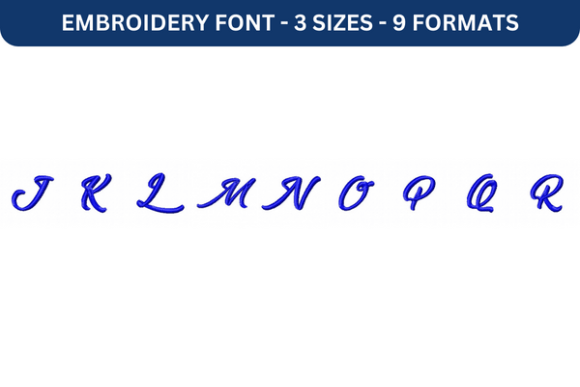
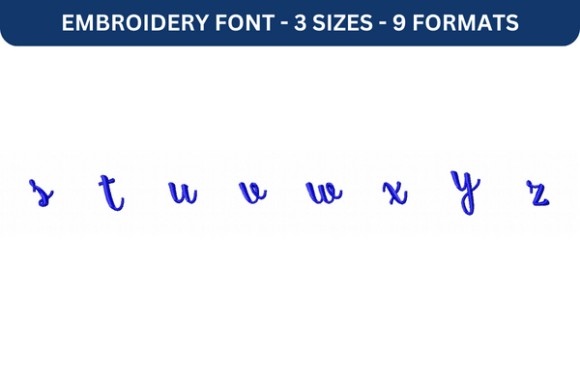
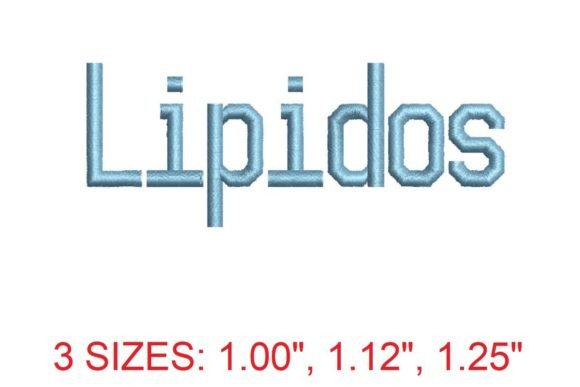
Upon loading the machine embroidery design into my software, the first thing that struck me was the balance between playfulness and elegance. Lipidos Font does not feel overly juvenile, nor is it stiffly formal. It occupies a sweet spot that feels inherently handmade and warm. For an Etsy seller or small business owner, this emotional resonance is critical. Customers are not just buying thread on fabric; they are purchasing a feeling of nostalgia, care, and celebration.
The charm of Lipidos lies in its fluid connectivity and consistent weight. It reads as romantic yet modern, making it versatile enough for a wedding gift keepsake while still being appropriate for a toddler’s backpack. In my initial assessment, the letterforms appeared optimized for satin stitching without excessive underlay bulk, which is a major positive for preserving fabric texture. The mood is undeniably sweet, suggesting that this typeface will perform exceptionally well on items intended to be cherished rather than merely used.
Real-World Application: The Custom Tote Bag Test
To truly evaluate performance, I simulated a real customer order: a personalized canvas tote bag for a teacher’s Back To School gift. Teachers receive countless gifts, so the embroidery must look crisp and intentional to stand out. I selected a natural cotton canvas, a fabric texture that can sometimes swallow fine details. Using a medium-weight cutaway stabilizer to prevent puckering, I stitched out a three-word name using Lipidos.
The result was impressive. The stitch density was sufficient to cover the canvas weave completely without creating a bulletproof patch that distorts the bag's drape. This is where many fonts fail; they either leave gaps or pile up too high. Lipidos maintained a professional profile. For a finished product like this, the perceived value immediately increased. A generic tote looks like a promotional item; a tote embroidered with Lipidos looks like a thoughtful, bespoke present. This distinction is what allows crafters and handmade sellers to command higher price points and build customer trust.
Versatility Across Product Categories
During my review, I mapped out exactly where this font shines across different niches. Its adaptability makes it a workhorse for shops offering diverse catalogs.
- Baby Embroidery: On fleece blankets and cotton onesies, the font retains its softness. It pairs beautifully with pastel thread colors for nursery decor, avoiding sharp edges that might visually clash with delicate baby aesthetics.
- Wedding Gifts: For pillow covers and linen napkins, Lipidos offers a script-like elegance that photographs beautifully. It elevates simple household textiles into heirloom-quality wedding gifts.
- Kitchen Textiles: Embroidered towels require a font that can handle terry cloth. While Lipidos is refined, it holds its own on kitchen linens when paired with the correct water-soluble topping.
- Apparel: From aprons to denim jackets, the legibility remains high even at smaller sizes, making it ideal for monograms and names.
Navigating Technical Limitations and Fabric Challenges
No single embroidery file is perfect for every scenario, and as a professional, I must highlight where caution is required. While Lipidos is robust, it demands respect for fabric physics. I would advise against using this font on highly textured fabrics like deep-pile terry or boucle without significant modification or testing. The delicate details that give the font its charm can get lost in the nap of thick towels.
Furthermore, stretchy baby clothes present a challenge. If you are embroidering on ribbed knit or spandex blends, the stitch density of any script font can cause tunneling. Always use a fusible no-show mesh stabilizer and consider slightly increasing the spacing in your software to accommodate fabric stretch. Dark fabrics also require attention; ensure your thread colors provide adequate contrast, as the finer connecting stitches may disappear against black or navy backgrounds. Finally, for products needing frequent washing, such as aprons or baby bibs, verify that the column width is sufficient to prevent fraying over time. If the design feels too thin for heavy laundering, opt for a bolder variant or reinforce the underlay.
Impact on Sales and Customer Engagement
From a business perspective, integrating Lipidos Font into your workflow affects more than just the physical product; it influences buyer engagement. High-quality typography signals professionalism. When customers browse listings for custom embroidery, they are subconsciously assessing the digitizer's skill through the font choice. A jagged, poorly registered script screams amateur, whereas the smooth execution of Lipidos communicates competence.
This directly impacts giftability. A personalized gift created with this font feels safer to buy because it looks expensive. For digital product sellers offering printable mockups, this typeface renders cleanly on screen, helping customers visualize the final outcome accurately. Accurate visualization reduces return rates and increases conversion. Moreover, the emotional connection fostered by this specific style encourages social sharing. Customers are more likely to post photos of a beautiful nursery blanket or a stunning wedding pillow on social media, providing free marketing for your small shop product.
Essential Practical Notes for Makers
Before adding Lipidos to your next commercial embroidery run or Etsy listing, adhere to these best practices to ensure success:
- Always Test First: Never stitch directly onto a customer’s item without a prior test on scrap fabric of the same weight and weave. Check registration and tension.
- Verify Licensing: Confirm the commercial licensing terms included with your purchase. Ensure you are permitted to sell finished products or if the license restricts usage to personal projects only.
- Check Hoop Size Compatibility: Review the dimensions of the full alphabet set versus individual letters. Ensure your hoop size accommodates longer names without requiring excessive re-hooping, which introduces alignment risks.
- Stabilizer Selection is Key: Match your stabilizer to the fabric, not just the design. Use tear-away for stable wovens and cut-away for knits and stretchy materials to maintain the integrity of the Lipidos curves.
- Thread Color Contrast: Create mockups and test stitches in both light and dark threads. Some fonts lose definition in white thread on light fabric due to shadow loss; ensure Lipidos maintains its pop in your chosen palette.
- Review Small Details: After stitching, inspect the entry and exit points of letters. Trim any jump stitches meticulously. Clean finishing is what separates a hobbyist from a professional vendor.
In summary, Lipidos Font is a valuable asset for embroidery makers focused on personalized gifts. It bridges the gap between whimsical and sophisticated, making it suitable for everything from Back To School gear to bridal trousseaus. By respecting its technical requirements and leveraging its emotional appeal, you can create handmade products that resonate deeply with buyers. Elevate your embroidery creations with the captivating quality of this typeface, and watch as your custom orders transform into cherished keepsakes that define your brand’s reputation for excellence.