Cat Letter I: A Craft Fair-Ready Embroidery Design Review
As a professional embroidery designer preparing for a weekend craft fair, I'm always on the lookout for designs that balance visual appeal, production ease, and marketability. Cat Letter I immediately caught my eye—its title suggests a playful yet personalized touch, and the product description hints at "adorable charm" and "intricate details." But how does it really hold up when translated into tote bags, aprons, tea towels, and other handmade products destined for a bustling market stall or Etsy listing? Let’s dive in.
First Impressions: Cute, Personal, and Versatile
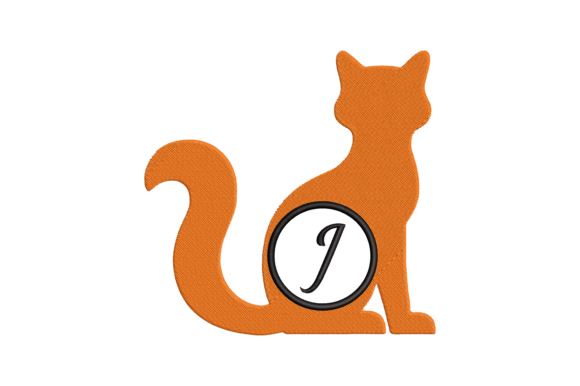
Cat Letter I gives off a sweet, slightly whimsical vibe. The concept of combining a cat motif within the letter I is clever—it's both a monogram and a character design in one. This makes it ideal for personalized gifts, which are always a hit at craft fairs and among Etsy shoppers. It feels like a design that could work across multiple aesthetics: farmhouse, modern, or soft cottage-style, depending on fabric and thread choices.
Let’s break down how Cat Letter I looks across different product types:
- Tote Bags & Market Bags: This design shines as a focal point on tote bags, especially when centered on the front. Its shape is balanced and recognizable, making it easy to spot from a distance. A medium-sized version (around 4–5 inches) would maintain clarity without overwhelming the fabric.
- Aprons: Placed on the chest or pocket, Cat Letter I adds a charming personalization touch. It reads well on aprons made from medium-weight cotton or linen, where the design's fine lines can show without getting lost in texture.
- Tea Towels & Pillow Covers: These are ideal canvases. The design's clean lines and defined negative space help it stand out against the weave of kitchen linens and pillow fabrics. It reads as handmade but not overly busy.
- Caps & Curved Surfaces: Here’s where caution comes in. Caps require a smaller version of the design, and depending on the original stitch density, tiny details may blur or flatten when embroidered on curved surfaces. A test run on a sample cap is essential before committing to production.
- Fabric Pouches & Small Pouches: As a small accent, Cat Letter I works well—provided the original file maintains clarity at smaller sizes. If the lettering or cat features are too delicate, they may not translate well on 2–3 inch versions.
- Embroidered Patches: This design has strong patch potential. Its defined shape and contained composition make it easy to hoop and cut around. Just be mindful of dense stitch areas that may affect flexibility or durability in the patch backing.
Practical Selling & Production Notes
From a production standpoint, Cat Letter I appears to be machine embroidery-friendly, especially for small shop owners and digital sellers. It’s easy to understand at a glance, which is key for Etsy listings and printable mockups. Customers will immediately recognize the letter and the cat motif, making it a smart choice for personalized gifts.
Batch production is definitely feasible, assuming the stitch density is moderate and the hoop size is standard. However, I recommend testing the design on scrap fabric first, especially if you're using textured materials like thick towels or dark fabrics where thread contrast might change the look.
Photographing this design for online listings should be straightforward. The combination of letter and motif offers a built-in storytelling element—perfect for lifestyle shots of tote bags, aprons, or pillows.
Here are a few red flags to watch for:
- Dense Stitch Areas: If the cat’s fur or facial features are heavily stitched, they may pucker on lighter fabrics or feel stiff on wearable items like aprons.
- Tiny Details: Delicate eyes or whiskers may not translate well at smaller sizes, especially on textured or dark fabrics.
- Thread Contrast: Be sure to test thread colors against your fabric. Light thread on dark fabric may need an underlay or additional coverage to pop.
- Hoop Size & Fabric Tension: Confirm the hoop size required for the design and test how it behaves on different fabric tensions. This is especially important for curved surfaces like caps.
- Design Clarity at Smaller Sizes: If you plan to use Cat Letter I on patches or small pouches, make sure the details don’t blur when resized.
Visual Appeal & Customer Engagement
Cat Letter I naturally draws attention—it’s cute, recognizable, and has a personalization factor that encourages customization. At a craft fair, it could serve as a conversation starter, especially if displayed on a sample tote or apron with a few color variations.
For Etsy sellers, this design adds value by offering a unique, handmade quality that customers can personalize. It supports brand consistency if you're building a line of cat-themed or letter-based products.
Before diving into full-scale production, here are a few must-do steps:
- Test the design on scrap fabric: to check for clarity, tension, and detail retention.
- Review spacing and stitch density: —especially around the cat’s features.
- Use the right stabilizer: based on your fabric type. Tear-away works well for stable cottons, while cut-away is better for stretchy or textured materials.
- Confirm hoop size: and ensure it aligns with your embroidery machine’s capabilities.
- Create at least one real mockup: —preferably on your intended product type (e.g., a tote bag or tea towel).
- Compare fabric colors: to see how the design reads in different thread combinations.
- Verify commercial licensing: before selling finished products. If unclear, reach out to the design creator for confirmation.
Final Thoughts
Cat Letter I is a solid choice for craft fair sellers, Etsy shop owners, and digital embroidery file sellers. Its blend of personalization and charm makes it appealing for back-to-school items, handmade gifts, and boutique-style décor. With a little planning and fabric testing, it can become a staple in your product lineup—whether you're selling at local markets or online.
Always remember: the success of any embroidery file lies not just in the design itself, but in how well it translates to your chosen product, fabric, and audience. Cat Letter I gives you a great foundation—now it’s up to you to make it shine.