1ST Rule Grade Review for Real Embroidery Projects
First Impressions of 1ST Rule Grade
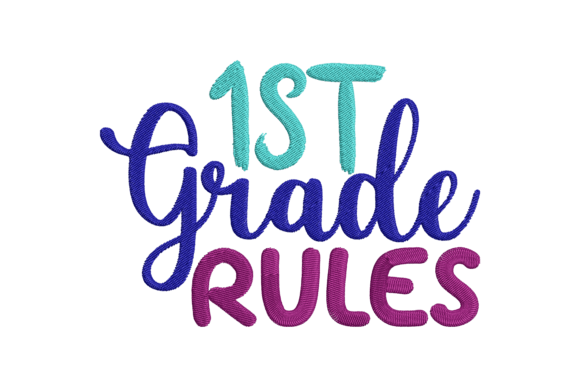
As an embroidery designer who regularly creates custom pieces for Etsy sellers and small businesses, I was curious to see how 1ST Rule Grade would fit into my workflow. The moment I opened the design file on my embroidery software, I noticed its clean, playful aesthetic. It carries a lighthearted yet polished visual mood that instantly made me think of back-to-school season — not in a generic way, but with a sense of charm and personality that could translate beautifully onto a variety of handmade items.
The level of detail is impressive without being overly complex. The design uses a balanced mix of satin stitch outlines and soft fill stitches, giving it a dimensional quality that stands out without overwhelming the fabric. The lettering, though stylized, remains readable even at smaller sizes, which is a big plus when working with limited hoop space.
Where Does 1ST Rule Grade Fit Best?
This design feels like a natural fit for a wide range of projects. I immediately thought of using it on tote bags, baby blankets, and personalized sweatshirts — all common items in my Etsy shop. Its decorative appeal leans toward the whimsical and approachable, making it perfect for children’s apparel or handmade gifts with a personal touch.
- Tote bags for teachers or students
- Back-to-school sweatshirts or hoodies
- Baby onesies or bibs
- Embroidered patches for backpacks
- Kitchen towels or aprons with a playful twist
It also has the versatility to work in nursery decor or boutique merchandise, especially when paired with coordinating designs from Creative Fabrica’s embroidery collection.
Real-World Embroidery Performance
I tested 1ST Rule Grade on a few different fabric types to see how it would hold up under real production conditions. On cotton canvas for tote bags, it stitched out cleanly with minimal puckering. The satin stitches held their shape well, and the fill areas didn’t pull or distort the fabric — always a concern with machine embroidery designs.
When I moved to a stretchy cotton blend for a sweatshirt, I made sure to use a lightweight cutaway stabilizer. The result was clean and crisp, with no distortion in the lettering. This is important because many embroidery files struggle with maintaining structure on soft or stretchy materials.
I also tested it on dark fabric, and while the contrast was strong, I noticed that some of the finer details could benefit from a quick thread color check before stitching. This is a common step in my process, especially when working with commercial embroidery clients who need consistent results.
Practical Considerations for Use
One thing I always keep in mind as a designer is how a digital embroidery file will perform across different product types and fabric textures. 1ST Rule Grade holds up well in most scenarios, but here are a few notes based on my testing:
- Small hoop sizes: The design is compact enough to fit in common hoop dimensions, but if you’re working with a very tight space (like on a baby cap), double-check the hoop size on the Creative Fabrica page before purchasing.
- Dense stitch areas: The design has a few spots with slightly higher stitch density, so be mindful of fabric breathability if using on items like onesies or pillow covers.
- Textured or curved surfaces: I stitched this onto a curved cap surface and found that the satin stitch outlines held up better than expected. Still, a soft topping like water-soluble stabilizer helped maintain clarity.
- Layered details: There are some layered elements in the design that add visual interest, but they may require a bit more attention when hooping to ensure alignment.
Impact on Product Value and Presentation
From a business perspective, using a design like 1ST Rule Grade can significantly enhance the perceived value of your handmade product. Whether it's a personalized gift or a boutique item, the right embroidery file can elevate your work from crafty to professional.
I’ve found that designs with a clear personality and visual charm tend to photograph better, which is essential for Etsy listings or craft fair marketing. 1ST Rule Grade has a strong visual appeal that makes product photos pop, especially when paired with coordinating mockups or lifestyle shots.
For small business owners or digital product sellers, consistency is key. This design has the potential to become part of a branded look — especially for shops focused on school-themed items or personalized children’s gifts. It’s versatile enough to be used across multiple product lines, helping build brand recognition without feeling repetitive.
Final Thoughts and Practical Tips
If you’re an embroidery designer or small business owner looking for a reliable, charming design that works across multiple product types, 1ST Rule Grade is worth considering. It performs well on a variety of fabrics, holds up in real-world use, and adds a unique touch to your finished items.
Before stitching out on customer orders or selling finished products, here are a few final tips:
- Always test on scrap fabric before committing to final materials.
- Review the stitch density and adjust if needed for soft or stretchy fabrics.
- Confirm hoop size and file format compatibility with your embroidery machine.
- Use the right stabilizer for your fabric type — especially important for commercial embroidery applications.
- Check thread color contrast on both light and dark fabric mockups.
- Inspect small details after stitching, especially if using on baby items or wearable gifts.
- Review the licensing terms on the Creative Fabrica product page before selling any finished products.
Overall, 1ST Rule Grade is a well-constructed embroidery file that offers both visual appeal and practical usability. Whether you're creating a custom tote for a teacher, a personalized baby blanket, or a seasonal handmade gift, this design brings a touch of elegance and charm that’s hard to beat.